If you’ve ever stood in a sun-scorched farm field watching a diesel pump guzzle fuel at dawn, knowing a whole day’s watering schedule depends on that engine—you’ll get why my team and I got into solar hybrid irrigation systems. For 12 years, I’ve worked as the lead system designer for a solar hybrid system supplier, traveling to smallholder farms in Kenya, corn operations in Iowa, and mango orchards in Mexico, watching farmers struggle with the gaps that make solar alone fall short: cloudy weeks, peak irrigation demand, or grid blackouts that kill solar’s reliability. Today, I’m breaking down exactly how to use a solar hybrid system for irrigation, straight from the on-the-ground lessons we’ve learned, no jargon, no sales fluff, just what actually works for a farm of any size. Solar Hybrid System
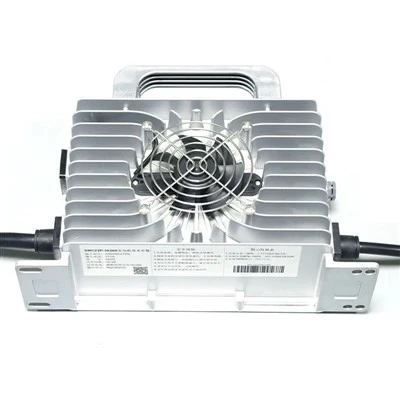
First, let’s get clear on what a solar hybrid irrigation system actually is, because too many farmers mix it up with regular off-grid solar pumps or grid-tied systems. A true solar hybrid system doesn’t just run off solar panels when the sun is out. It combines three core parts: photovoltaic (PV) panels that generate electricity from sunlight, a battery bank to store excess energy for cloudy days or night irrigation, and a secondary power input—either a grid connection or a small diesel/propane generator—to cover gaps when solar and batteries run low. The biggest win here? You cut fossil fuel costs by 70-90% depending on your location, never have to wait for grid extensions or a sun-only day to water, and avoid the downtime that kills crop yields. Last year, one of our customers, a 120-acre tomato farm in central Illinois, swapped their old diesel pump for a hybrid system and cut their fuel and maintenance bills by $18,000 in one growing season. That’s not a number pulled from a brochure; that’s the cash they used to hire two extra harvest workers.
Now, the first step to using your system effectively is sizing it correctly—too small, and you’ll still be begging for diesel when it rains for three days straight; too big, and you’re wasting thousands on unused panels and batteries. Most suppliers skip this step, but it’s non-negotiable. We start with two numbers every farmer needs to calculate: your daily irrigation energy demand and your peak water requirement. Let’s break that down simply, no fancy spreadsheets required.
First, calculate your daily irrigation energy demand. Grab your old pump’s manual or recent power bills (if you’re on grid power) to get the wattage of your current pump. For example, a standard 2HP irrigation pump uses roughly 1,500 watts per hour when running. Now, multiply that by the number of hours your pump runs each day. If your corn crop needs 8 hours of pumping a day during peak growing season, that’s 12,000 watt-hours (or 12 kWh) of daily energy. Next, add a 25% buffer for inefficiencies—pumps lose power to friction, panels lose output when it’s hot, and batteries drain slightly. So your total daily demand is 15 kWh. For batteries, you also need to account for depth of discharge (DoD)—that’s how much of the battery you can use without damaging it. Lithium-iron phosphate (LiFePO4) batteries, which we almost always recommend, have an 80% DoD, meaning you only use 80% of their capacity. So for your 15 kWh daily need, you’d need a 18.75 kWh battery bank (15 kWh divided by 0.8), so round up to a 20 kWh bank. For panels, a 300W solar panel generates roughly 1.2 kWh per day on average (adjust for your location—southeastern US gets ~1.5 kWh per panel daily, Pacific Northwest gets ~0.9 kWh). So to cover 15 kWh a day, that’s roughly 13 panels. We always add extra panels for seasonal peak—if you’re in a place where peak irrigation aligns with summer, you can add 2 extra panels to cover higher demand, which also gives you excess energy to send to the battery bank.
Next, choose your hybrid setup based on your access to the grid, because that dictates how you’ll operate the system day-to-day. There are two main hybrid configurations: grid-tied with battery backup, and off-grid with a backup generator. If you live in a place with stable grid access (like most of suburban US or urban parts of India), grid-tied is almost always cheaper and more convenient. Here’s how to operate that: during peak sun hours (10AM to 4PM), let the PV panels power the pump directly. The system will automatically prioritize solar over grid or battery, so you won’t waste stored energy when the sun is shining. Any excess solar energy goes straight to charging your battery bank. When the sun goes down or it’s cloudy, the system switches to battery power for irrigation. If the battery drops to 20% charge (we set this as the default to protect battery lifespan), it will automatically draw power from the grid. That means you’re only buying grid power when it’s most expensive—at night or on cloudy weeks—instead of paying for diesel every time you need water. For our Iowa corn farmer, that meant they paid 1/3 less for their grid power than they used to pay for diesel, because the system only tapped the grid during peak cloudy periods.
If you’re off-grid—say you have a small farm in the Arizona desert or a village in rural Tanzania with no grid access—your hybrid system will run with a backup diesel or propane generator. The operating rule here is similar, but the generator only kicks in when the battery is low and you have urgent irrigation needs (like if your crops are at a critical growth stage). We always tell off-grid farmers to run the generator only when the battery is below 15% charge, and only for 1-2 hours at a time to top up the battery, not to power the pump directly. Why? Generator fuel is way more expensive than solar, and running it for long periods wears it out fast. One of our first off-grid customers, a 40-acre vegetable farm in southern Tanzania, used to go two days without water during cloudy rainy seasons, ruining their kale crop. After installing a hybrid system, they now keep their pump running every day, and only use the generator for 2 hours a week, cutting their fuel costs by 85% and their crop loss by 40% in the first year.
Once your system is sized and configured, the next key to using it effectively is managing energy storage and irrigation timing, because that’s where most farmers leave money on the table. I can’t tell you how many times I’ve seen a farmer run their pump at night just because it’s easier, only to drain their batteries and have to turn to expensive grid or generator power the next day. The golden rule here is: run your pump during peak sun hours first. This is called “load shifting,” and it’s the single biggest way to reduce your operational costs. Let’s go back to that 120-acre tomato farm: they used to run their pump 8 hours a night, every day, because they thought night watering was better for tomatoes. But after working with our team, they shifted 70% of their pumping to between 8AM and 4PM, when solar was abundant, and only ran 2 hours at night, using battery power. That cut their monthly grid bill from $1,200 to $350, and their tomato yield went up because daytime watering actually reduces fungal disease in tomatoes—who knew?
Battery maintenance is another part of using your system well that’s often overlooked. LiFePO4 batteries are low-maintenance, but they still need a little care to last 10+ years (we offer a 10-year warranty on all our battery banks for that reason). We tell farmers to check their battery charge level once a month, especially before planting season, and to avoid letting the battery drop below 10% charge for more than a day. If you’re in a very hot climate (over 90°F during the day), make sure your battery bank is installed in a shaded, ventilated area—high heat reduces battery lifespan by up to 50%. In cold climates, like parts of Canada or the northern US, batteries lose charge capacity in freezing weather, so you’ll want to add 10-15% extra capacity to your battery bank to account for that seasonal loss.
Now, troubleshooting common issues—because even the best system has days when something goes wrong. The most common problem we hear from farmers is “the system isn’t pumping enough water.” 9 times out of 10, it’s not a broken panel or battery—it’s dirty panels. Dust, pollen, or bird droppings can reduce panel output by 20-30% in just a week, especially in dry, arid regions. We recommend cleaning your panels once a month, or after a heavy rain—rain actually cleans them well, so wait for a storm instead of hosing them down every week. Another common issue is overloading the system. If you added extra crops this year that need more water, don’t just turn the pump up to full power—adjust your irrigation schedule to run longer during the day, and check your system’s capacity. Most hybrid systems have an app that lets you monitor real-time output, so you can adjust before you run out of power. If you do have an extended period of heavy clouds (like 5 straight days of rain or overcast), that’s where your backup power (grid or generator) comes in—your system is designed for this, it’s not a failure. We’ve had farmers in Oregon survive 7 days of cloudy weather in July, thanks to their grid-tied system, without a drop of extra fuel.
Wait, let’s address a common misconception I hear all the time: “solar hybrid systems are too expensive for small farms.” Yeah, upfront costs are higher than a basic diesel pump or a regular solar-only pump. But when you do the math, the payback period is usually 3-5 years, and then you have 5+ years of almost free irrigation. For a smallholder farm in Kenya with 5 acres, that payback period is even shorter—roughly 2.5 years, because diesel costs are double what they are in the US. We also offer flexible payment plans and government incentive assistance for farmers in most countries, so you don’t have to pay the full amount upfront. Last year, we worked with a group of 10 small mango farmers in Mexico, who pooled their resources to buy a single shared hybrid system that serves all their fields, cutting their individual costs even more.
At the end of the day, a solar hybrid irrigation system isn’t just a piece of equipment—it’s a long-term investment in consistent, reliable water for your crops, no matter the weather or grid situation. We’ve built our systems to work for farms of all sizes, from 5-acre smallholders to 500-acre commercial operations, because we’ve seen first-hand how reliable water changes livelihoods: a farmer who doesn’t lose crops to drought can send their kid to school, can expand their operation, can stop worrying about fuel prices rising every month.
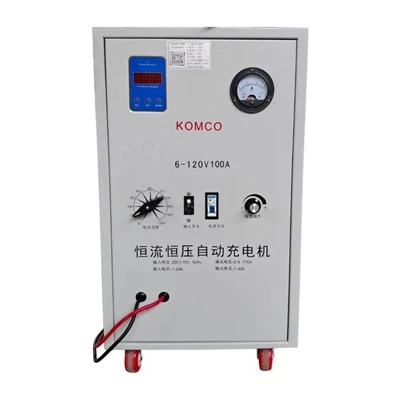
If you’re ready to stop overpaying for fuel or worrying about blackouts, we’d love to help you design a system tailored to your farm’s needs. No generic quotes, no pushy sales calls—just a consultation where we’ll walk through your irrigation schedule, your location, and your goals, to make sure you get a system that works for you. Don’t hesitate to reach out for a procurement consultation to get started.
Solar Inverter References:
- Food and Agriculture Organization of the United Nations. (2021). Solar Hybrid Irrigation: A Guide for Small and Medium-Sized Farmers. FAO Investment Centre.
- International Energy Agency. (2022). Solar Photovoltaic and Hybrid Systems for Agricultural Water Pumping. IEA Renewable Energy Technology Collaboration.
- Lithium Battery Association. (2023). Performance and Lifespan of LiFePO4 Batteries for Renewable Energy Storage. LBA Technical Report.
- US Department of Energy. (2022). Grid-Tied Solar Hybrid Systems for Agricultural Applications. DOE Office of Energy Efficiency & Renewable Energy.
- World Bank. (2021). Off-Grid Solar Irrigation: Success Stories and Lessons from Sub-Saharan Africa and Latin America. World Bank Group Energy Sector Management Assistance Program.
Huizhou Qiangfeng Power Technology Co., Ltd.
Huizhou Qiangfeng Power Technology Co., Ltd. is one of the most professional solar hybrid system manufacturers and suppliers in China, featured by quality products and good service. We warmly welcome you to buy customized solar hybrid system made in China here from our factory. If you have any enquiry about quotation and free sample, please feel free to email us.
Address: No. 28, Hu’ao Avenue, Shiwan Town, Boluo County, Huizhou City, Guangdong Province
E-mail: Komco@Jinlidianqi.cn
WebSite: https://www.autobatterychargers.com/
