Flanges play a crucial and multifaceted role in the oil and gas industry. As a flange supplier, I have witnessed firsthand the diverse applications and significance of flanges in this vast and dynamic sector. In this blog, I will delve into the various ways flanges are used in the oil and gas industry, highlighting their importance and the value we bring as a supplier. Flange
Pipeline Connections
One of the primary applications of flanges in the oil and gas industry is in pipeline connections. Pipelines are the lifelines of the industry, transporting crude oil, natural gas, and refined products over long distances. Flanges provide a secure and leak – proof connection between pipeline segments.
In offshore and onshore oil and gas fields, large – diameter pipelines are used to transfer hydrocarbons from production wells to processing facilities. These pipelines are often subjected to high pressures and harsh environmental conditions. Flanges, such as welded neck flanges, are commonly used in these applications. Welded neck flanges have a long tapered hub that is welded to the pipeline, providing excellent structural integrity and resistance to high – pressure forces. This type of flange distributes stress more evenly along the pipe, reducing the risk of leaks and failures.
For example, in a deep – sea oil production platform, the pipeline system is exposed to extreme pressure due to the depth of the sea. Flanges must be able to withstand these immense pressures without compromising the integrity of the pipeline. High – pressure flanges, like those rated for ASME Class 900 or higher, are used to ensure a reliable connection.
Moreover, flanges allow for easy installation, maintenance, and modification of pipeline systems. When a section of the pipeline needs to be repaired or replaced, the flanges can be easily unbolted. This modularity reduces downtime and maintenance costs, which is crucial in the oil and gas industry where any disruption in production can lead to significant financial losses.
Equipment Connections
Flanges are also extensively used to connect various pieces of equipment in oil and gas processing plants. Equipment such as pumps, valves, compressors, and heat exchangers need to be connected to the pipeline system.
Pumps are used to transfer fluids within the processing plant. Flanges are used to connect the pump inlet and outlet to the pipeline. The type of flange used depends on the size, pressure, and temperature requirements of the pump. For instance, a centrifugal pump in a refinery may use slip – on flanges for its connection to the pipeline. Slip – on flanges are easy to install and align, making them suitable for this type of application.
Valves are essential components in the oil and gas industry for controlling the flow of fluids. Gate valves, ball valves, and globe valves are all connected to the pipeline using flanges. Flanges provide a tight seal between the valve and the pipeline, preventing leakage. In addition, the use of flanges allows for easy removal and replacement of valves during maintenance or when upgrading the valve design.
Compressors are used to increase the pressure of natural gas for transportation or processing. The connection between the compressor and the pipeline requires flanges that can handle high – pressure and high – temperature conditions. Lap – joint flanges are sometimes used in compressor connections, especially in situations where frequent disassembly is required for maintenance purposes.
Storage Tank Connections
Oil and gas storage tanks are another area where flanges are widely used. Storage tanks are used to store crude oil, refined products, and natural gas in large quantities. Flanges are used to connect the tank to the pipeline system for filling and emptying operations.
In a crude oil storage tank, for example, flange connections are used at the inlet and outlet ports. The flanges must be designed to withstand the weight and pressure of the stored oil, as well as any environmental factors such as corrosion. Blind flanges are also used in storage tanks to close off unused ports or for inspection purposes. Blind flanges provide a solid barrier, preventing the escape of fluids and ensuring the safety of the storage facility.
The flange connections in storage tanks need to be inspected regularly to detect any signs of corrosion, leakage, or damage. As a flange supplier, we offer high – quality flanges made from corrosion – resistant materials such as stainless steel or carbon steel with appropriate coatings. This helps to extend the lifespan of the flange connections and reduce the risk of failures in the storage tank system.
Safety and Regulatory Compliance
Flanges play a vital role in ensuring safety and regulatory compliance in the oil and gas industry. Leakage of oil or gas can pose significant safety hazards, including the risk of fires, explosions, and environmental pollution. By providing a reliable seal, flanges help to prevent these dangerous situations.
In many countries, the oil and gas industry is subject to strict regulations regarding pipeline safety and environmental protection. Flanges must meet certain standards, such as ASME B16.5, which specifies the dimensions, materials, and pressure ratings of flanges. As a flange supplier, we ensure that all our products comply with these international standards. We conduct rigorous quality control checks during the manufacturing process to guarantee the safety and reliability of our flanges.
Our Value as a Flange Supplier
As a flange supplier, we understand the unique requirements of the oil and gas industry. We offer a wide range of flange types, including welded neck flanges, slip – on flanges, blind flanges, and lap – joint flanges, in various sizes, materials, and pressure ratings. Our experienced team can provide technical support to help customers select the most appropriate flanges for their specific applications.
We source our raw materials from reliable suppliers and use advanced manufacturing techniques to produce high – quality flanges. Our manufacturing process includes precision machining, heat treatment, and surface finishing to ensure the dimensional accuracy and corrosion resistance of the flanges.
In addition, we offer competitive pricing and fast delivery services. We understand that time is of the essence in the oil and gas industry, and any delay in the supply of flanges can cause production disruptions. Therefore, we maintain a large inventory of flanges to meet the urgent needs of our customers.
Conclusion

In conclusion, flanges are indispensable components in the oil and gas industry. They are used in pipeline connections, equipment connections, storage tank connections, and play a crucial role in ensuring safety and regulatory compliance. As a flange supplier, we are committed to providing high – quality flanges that meet the diverse needs of the oil and gas industry.
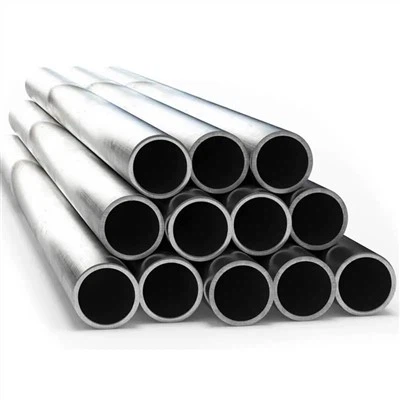
Stainless Steel Seamless Pipe If you are in the oil and gas industry and are looking for a reliable flange supplier, please don’t hesitate to contact us. We look forward to discussing your flange requirements and working with you to ensure the success of your projects.
References
- ASME B16.5 – Pipe Flanges and Flanged Fittings
- API Standards for Oil and Gas Industry Equipment
- "Handbook of Flanges and Flanged Joints" by Bhadeshia, H. K. D. H. and Honeycombe, R. W.
Gnee Steel (Tianjin) Co., Ltd.
Gnee Steel (Tianjin) Co., Ltd. is well-known as one of the leading flange manufacturers and suppliers in China. Our factory offers customized flange made in China with competitive price. Welcome to contact us for wholesale service.
Address: No.4-1114 Beichen Building, Beicang Town, Beicheng District, Tianjin City, China
E-mail: info@gneestainless.com
WebSite: https://www.chinastainless-steel.com/
