Maintaining a rebar sawing and threading grinding production line is crucial for ensuring its optimal performance, longevity, and the quality of the rebar processing. As a seasoned supplier of such production lines, I’ve often been asked about the appropriate maintenance frequency. In this blog, I’ll delve into the factors influencing maintenance frequency and provide some general guidelines to help you keep your production line in top – notch condition. Rebar Sawing and Threading Grinding Production Line
Factors Influencing Maintenance Frequency
1. Usage Intensity
The intensity of use of the production line is one of the most significant factors determining maintenance frequency. If your production line operates continuously, 24 hours a day, 7 days a week, it will naturally experience more wear and tear compared to a line that is used only a few hours each day. For example, a large – scale construction project management company that runs the rebar processing line non – stop to meet tight deadlines will need to conduct maintenance more often. Continuous operation can lead to overheating of motors, faster deterioration of cutting blades, and increased stress on mechanical components.
On the other hand, a small – scale workshop that processes rebar for occasional local construction projects may not need as frequent maintenance. The less the machine is used, the less wear it accumulates, and thus the maintenance intervals can be extended.
2. Working Environment
The environment in which the production line operates also plays a vital role. If the working area is dusty, humid, or exposed to extreme temperatures, it can accelerate the degradation of the equipment. Dust particles can penetrate into the moving parts of the machine, causing abrasion and reducing the efficiency of lubrication. High humidity can lead to corrosion of metal components, especially if the rebar itself has a certain level of moisture.
For instance, a production line located near a coastal area may have to deal with salt – laden air, which is highly corrosive. In such an environment, more frequent inspections and maintenance are required to prevent rusting and ensure the smooth operation of the line. In contrast, a production line in a clean, climate – controlled indoor environment may require less frequent maintenance.
3. Quality of Raw Materials
The quality of the rebar being processed can affect the maintenance frequency. Low – quality rebar may contain impurities, uneven hardness, or inconsistent diameters. These factors can put additional stress on the sawing and threading tools. For example, rebar with high levels of impurities can cause premature wear of cutting blades and threading dies. When the tools are damaged or worn out, they can also affect the overall performance of the production line, leading to inaccurate cuts and poor – quality threading.
On the other hand, high – quality rebar with consistent properties will cause less wear and tear on the equipment, allowing for longer maintenance intervals.
4. Operator Skills and Training
Well – trained operators are more likely to use the production line correctly, which can reduce the need for frequent maintenance. Operators who understand the proper operating procedures, such as the correct feed rate, cutting speed, and lubrication requirements, can prevent unnecessary stress on the machine. They are also more likely to notice early signs of problems, such as unusual noises or vibrations, and take appropriate action.
In contrast, inexperienced operators may misuse the equipment, leading to increased wear and potential damage. For example, if an operator sets the cutting speed too high for the type of rebar being processed, it can cause excessive heat and wear on the cutting blade. Therefore, investing in operator training can indirectly affect the maintenance frequency of the production line.
General Maintenance Frequency Guidelines
1. Daily Maintenance
- Visual Inspection: At the start of each working day, operators should conduct a visual inspection of the entire production line. Check for any loose parts, signs of leakage (such as hydraulic fluid or lubricant), and visible damage to the cutting blades, threading dies, and conveyor belts.
- Cleaning: Remove any debris, dust, and rebar scraps from the machine. This helps prevent the accumulation of materials that can interfere with the operation of moving parts and cause abrasion.
- Lubrication Check: Ensure that all lubrication points are properly lubricated. Lubrication is essential for reducing friction between moving components, preventing overheating, and extending the life of the parts.
2. Weekly Maintenance
- Function Testing: Test the key functions of the production line, such as the sawing accuracy, threading quality, and the operation of the conveyor system. This helps identify any emerging issues before they become major problems.
- Tightening of Fasteners: Check and tighten all bolts, nuts, and other fasteners. During operation, vibrations can cause these fasteners to loosen, which can lead to misalignment and potential damage to the equipment.
- Electrical System Check: Inspect the electrical connections for any signs of loose wires, overheating, or corrosion. A faulty electrical system can not only disrupt the operation of the production line but also pose a safety hazard.
3. Monthly Maintenance
- Blade and Die Inspection and Replacement: Examine the cutting blades and threading dies for wear and damage. Depending on the usage, these tools may need to be replaced monthly or at longer intervals. Worn – out blades and dies can result in poor – quality cuts and threading, as well as increased stress on the machine.
- Hydraulic System Check: Check the hydraulic fluid level, pressure, and the condition of the hydraulic hoses. The hydraulic system is responsible for powering many of the functions of the production line, and any problems with it can significantly affect the performance.
- Motor and Control System Inspection: Inspect the motors for proper operation, including checking the temperature, speed, and noise level. Also, review the control system to ensure that all settings and parameters are correct.
4. Quarterly Maintenance
- Mechanical Component Alignment: Check and adjust the alignment of mechanical components, such as the sawing unit, threading unit, and conveyor system. Misaligned components can cause uneven wear, reduce the accuracy of processing, and increase the energy consumption of the machine.
- Calibration: Calibrate the measuring and control devices on the production line to ensure accurate cuts and threading. Over time, these devices can drift out of calibration, leading to inconsistent product quality.
- Filter Replacement: Replace the filters in the hydraulic system, air compressor, and other relevant parts. Clogged filters can reduce the efficiency of the system and cause damage to other components.
5. Annual Maintenance
- Comprehensive Overhaul: Conduct a thorough overhaul of the entire production line. This includes disassembling and inspecting all major components, replacing worn – out parts, and repainting the machine if necessary. An annual overhaul helps ensure the long – term reliability and performance of the production line.
- Software Update: If the production line is equipped with software – controlled functions, update the software to the latest version. Software updates can improve the functionality, efficiency, and safety of the machine.
Importance of Regular Maintenance
Regular maintenance of a rebar sawing and threading grinding production line offers several benefits. Firstly, it enhances the reliability of the equipment. By preventing breakdowns and reducing the likelihood of unexpected failures, you can ensure that your production schedule stays on track. This is particularly important for meeting project deadlines in the construction industry.
Secondly, it improves the quality of the processed rebar. Well – maintained equipment can produce more accurate cuts and high – quality threads, which is essential for the structural integrity of construction projects.

Thirdly, regular maintenance can save costs in the long run. Although maintenance involves some expenses, it can significantly reduce the need for costly repairs and replacements. It also extends the lifespan of the production line, providing a better return on investment.
Contact for Purchase and Consultation
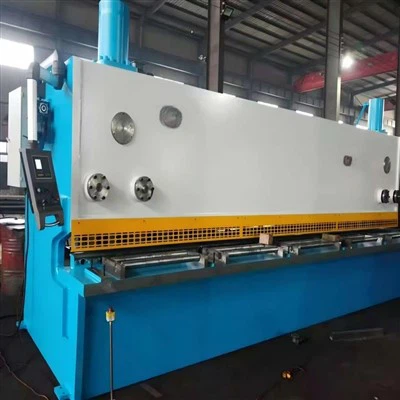
Hydraulic Shearing Machine If you are in the market for a rebar sawing and threading grinding production line or need more in – depth information about maintenance and operation, I’m here to assist you. Our team of experts has years of experience in the industry and can provide you with customized solutions based on your specific needs. Whether you are a small – scale workshop or a large – scale construction company, we have the right equipment to meet your requirements. Feel free to reach out to us to start a discussion about your procurement needs.
References
- "Maintenance Best Practices for Industrial Machinery," Industrial Equipment Handbook, 2020 Edition.
- "Rebar Processing Technology and Equipment," Construction Machinery Research Journal, 2022 Volume.
- "Improving the Performance and Lifespan of Metal Processing Machines," Manufacturing Technology Magazine, 2023 Issue.
Xuhui (Shandong) Intelligent Equipment Co., Ltd.
Xuhui (Shandong) Intelligent Equipment Co., Ltd. is one of the most professional rebar sawing and threading grinding production line manufacturers and suppliers in China. Please feel free to wholesale high quality machines made in China here and get quotation from our factory. Contact us for customized service.
Address: Industrial Park, Hetaoyuan Town, Juye County, Heze City, Shandong Province, China.
E-mail: yue@xuhuijx.com
WebSite: https://www.xuhuiintelligent.com/
