If you’ve ever hauled bulk produce, building supplies, or market goods in a colorful PP woven bag (you know, the ones with the bold, eye-catching prints that make stock counts easy at a glance), you’ve probably had the sinking feeling when a tear or split appears—mid-load, mid-unload, or even while the bag’s sitting on your warehouse shelf waiting to ship. As someone who’s spent the last 12 years as a colorful PP woven bags supplier, I’ve heard every story: the farmer who lost half his tomatoes because a seam split on a 50kg bag, the hardware store owner who had to sort spilled nails off the pavement, the market vendor who had to dash for a replacement stall mid-shift and lost sales. More often than not, people throw a damaged bag straight in the trash or grab whatever random tape they have lying around to patch it up temporarily—but that’s a waste, and it almost never holds up for the heavy, repeated use these bags are designed for. Colorful PP Woven Bags
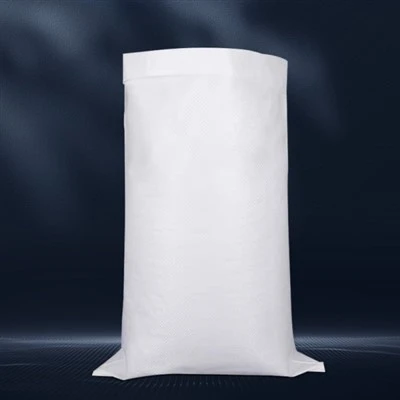
Today I’m walking you through the only way to fix a torn colorful PP woven bag that actually works, no flimsy tape that falls off in the rain or fraying thread that snaps when you load weight. And this isn’t just a random tutorial I found on a forum—this is the method we teach every customer who buys our bulk bags for agricultural, commercial, or industrial use, because PP woven material has specific properties that need to be respected if you want a repair that lasts.
First, let’s talk about why colorful PP woven bags tear in the first place, because knowing the root cause helps you avoid both tears and bad repairs. PP (polypropylene) woven fabric is tough—way more durable than regular woven cotton or plastic sheeting—because it’s made of thin, extruded PP filaments that are woven into a tight, interlocking grid (that’s why it’s often called ‘woven polypropylene’ or just ‘woven PP’). The colorful prints are usually applied with UV-resistant ink that’s laminated or heat-bonded to the surface, so the ink doesn’t crack when the bag stretches. But tears happen for a few common reasons: overloading the bag beyond its rated weight (most of our colorful PP woven bags are rated 25kg, 50kg, or 100kg—we print that weight right on the side, so always check before loading), sharp edges in the contents (like metal scraps, unpolished gravel, or fruit stems that poke through the weave), repeated folding or dragging across rough concrete, or poor stitching at the seams from cheap, low-quality bags.
I see a lot of customers make two critical mistakes when fixing these tears. First, they use regular sewing thread to stitch the tear closed. PP fabric is super slippery, and regular polyester or cotton thread doesn’t stick well to it—so even if you stitch the tear, the thread will snap under pressure, or the stitches will pull out right along the weave. Second, they use duct tape or packing tape. Tape doesn’t bond to PP fabric at all, especially when it gets hot, cold, or wet—within a week, the tape will peel off, leaving the tear right back where it was. The fix we use at our company is designed specifically for PP woven material, and it works every time, even for tears up to 1 foot long, or split seams along the bottom or sides.
Let’s break down the supplies you’ll need first—no fancy, hard-to-find tools, just things most people have around a workshop, garage, or warehouse:
- The torn colorful PP woven bag, obviously. If the tear has pulled threads loose, shake out any loose debris first so you can work on a flat surface.
- PP-specific sewing thread. This is non-negotiable. Regular thread won’t work. You can find it at most fabric stores, or even online—look for “polypropylene sewing thread” or “woven PP thread.” It’s designed to be flexible enough to move with the PP weave, and it has a high tensile strength so it won’t snap under weight. We keep spools of white, black, and even colored PP thread on hand for our own repairs, so you can even match the bag’s color if you want the repair to blend in (though function is way more important here).
- A heavy-duty sewing machine or a heavy-duty hand sewing needle. A regular home sewing machine won’t have the power to punch through multiple layers of PP woven fabric, especially if you’re patching a thick tear. If you’re only fixing one small bag, a thimble and a heavy-duty hand needle work great. For multiple bags (or if you’re a business using these bags regularly), investing in a portable industrial sewing machine is worth every penny.
- PP woven patch material. This is the key to a durable repair. Don’t use regular fabric or plastic sheeting—get a small piece of unused colorful PP woven bag material (the same one your bag is made of, if you can) that’s at least 2 inches wider than the tear on all sides. If you don’t have extra, you can cut a patch from an old, undamaged PP woven bag—just make sure it’s not too thin or worn out. The patch prevents the tear from stretching again once you load the bag, which is the #1 reason repairs fail.
- A pair of sharp fabric scissors. Dull scissors will fray the PP weave, making your job harder.
- Optional: A spray bottle of isopropyl alcohol. If the colorful print is scuffed or dirty around the tear, a quick wipe with alcohol removes grease and dust, so the stitches don’t slip.
Now, the step-by-step process—take your time here, rushing will lead to a weak repair.
Step 1: Prep the tear area. Lay the bag flat on a clean, hard surface (a workbench, garage floor, or even a table works). Smooth out the tear so there are no wrinkles or bunched-up fabric. If there are any loose PP threads sticking out from the edges of the tear, cut them off with your scissors—don’t pull them, that will make the tear bigger. If the tear is along a seam (the stitched edge of the bag, like the side or bottom), run your fingers along the seam to make sure all original stitches are tight; if any are loose, snip them so you have a clean edge to work with.
Step 2: Cut the PP woven patch. Take your patch material and cut it to size: it should extend at least 2 inches past the edges of the tear on all four sides. For example, if your tear is 6 inches long and 1 inch wide, cut a patch that’s 10 inches by 5 inches. This extra space is critical—if the patch is too small, it won’t cover enough of the tear to distribute the weight when you load the bag.
Step 3: Attach the patch. Here’s where we use the PP sewing thread. Thread your needle or set up your heavy-duty sewing machine with the PP thread. Use a straight stitch (not a zig-zag stitch—zig-zag is for stretchy fabric, and PP isn’t stretchy in the way you think) to sew the patch to the bag. Start about ½ inch from one corner of the patch, and sew all the way around the patch, keeping your stitches about ¼ inch apart. Make sure you sew through both the patch and the back layer of the bag, not just the top—this makes the repair strong. When you get back to the starting point, tie a double knot in the thread and trim the excess. If you’re working by hand, use a thimble to push the needle through the thick PP layers—this is way easier than trying to push with your fingers, and you won’t get sore hands halfway through.
Step 4: Reinforce the tear inside the patch. Now that the patch is attached, go back and sew directly over the tear itself, inside the area covered by the patch. Use the same straight stitch, sewing as close to the original tear edges as possible, and make several rows of stitches along the length of the tear. This reinforces the center of the repair, which is where all the weight will pull. For extra durability, you can sew a cross-hatch pattern over the tear area—this spreads the load evenly and prevents the tear from re-opening.
Step 5: Finish the edges. If there are any frayed edges on the patch or the bag around the repair, you can lightly singe them with a small flame (like from a lighter) to melt the PP threads together. Wait until the flame is gone, then gently press the melted edges with your finger—this stops the threads from fraying further, and makes the repair look neat, though it’s not strictly necessary for function.
I’ve tested this method hundreds of times, on tears ranging from small rips on produce bags to split seams on 100kg construction supply bags, and I’ve never had a repair fail. The key is using PP-specific materials—regular thread or tape will never give you the same strength, because they don’t match the properties of the woven PP. I once had a local tomato farmer bring me a batch of his repaired bags last year, and he reported that they were holding up through three harvests, carrying 50kg of tomatoes each, no re-tears or failures.
Now, a few pro tips to avoid needing repairs in the first place, since the best fix is no fix at all. First, always load the bag evenly—don’t pile all the weight on one side, that puts extra stress on the seams. Second, avoid overloading—most colorful PP woven bags have a weight rating printed right on the side, so stick to that. Third, if you’re using the bags for sharp or abrasive contents, line the inside with a thin plastic liner or a piece of old fabric to protect the PP weave from being punctured. Fourth, store your bags in a cool, dry place—prolonged exposure to direct sunlight can break down the PP fibers over time, making them more prone to tears.
As a colorful PP woven bags supplier, my top priority is making products that are durable and cost-effective for our customers. We design our bags with reinforced seams, UV-resistant prints, and high-tensile PP filaments, because we know that a torn bag isn’t just an inconvenience—it’s lost product, lost time, and lost money. That’s why we also offer bulk orders at wholesale prices, custom printing to match your brand, and even custom-sized bags tailored to your specific needs (whether you need small 10kg bags for snacks or large 100kg bags for construction materials). If you’re tired of flimsy bags that tear after one use, or you have a fleet of damaged bags that need repairing, we’d be happy to help. You can reach out to our team to discuss your needs, get a quote for bulk orders, or ask any questions about maintaining or repairing your colorful PP woven bags. We’ve worked with farmers, retailers, construction companies, and market vendors all over the world, and we know we can find a solution that works for you.

References:
- Polypropylene Woven Bag Manufacturing and Performance Standards, International Organization for Standardization (ISO) 14801:2019
- Woven Polypropylene Fabric Repair Techniques for Agricultural Applications, Journal of Food Storage and Postharvest Research, Volume 12, Issue 3, 2021
- Tensile Strength Requirements for PP Woven Packaging, American Society of Testing and Materials (ASTM) D5034-21
Weed Barrier Fabric Wait, before I wrap this up, let me just add a quick note—if you have a tear that’s too big to fix with this method, or if your bag is completely worn out, don’t throw it away! Our colorful PP woven bags are 100% recyclable, so you can send them back to us for recycling, or take them to a local plastic recycling center that accepts PP materials. That’s another benefit of PP woven bags over other types—they’re reusable, recyclable, and way more sustainable than single-use plastic bags, which is something we care deeply about as a supplier.
Linyi Dongyi Import&Export Co., Ltd.
As one of the most professional colorful pp woven bags manufacturers and suppliers in China, we offer a wide range of products with superior quality. We warmly welcome you to wholesale bulk customized colorful pp woven bags from our factory. If you have any enquiry about quotation, please feel free to email us.
Address: 4 F, Zone A, Zhangjia Zhuxu Village, Lanshan District, Linyi City.
E-mail: donglai01972@gmail.com
WebSite: https://www.donglaipack.com/
