Hey there! I’m an oxygen supplier, and I’ve seen firsthand how oxygen can play a wild role in changing the color of substances. It’s like a magical color – changing show that happens right in front of our eyes, all thanks to the power of oxygen. Let’s dive into this colorful world and see how oxygen works its magic. Oxygen

Oxidation: The Color – Changing Trigger
First off, we gotta talk about oxidation. Oxidation is basically when oxygen reacts with other substances. It can lead to some pretty noticeable color changes. Take apples, for example. When you cut an apple open, it starts to turn brown after a while. That’s because the enzymes in the apple react with oxygen in the air. The oxygen causes a chemical reaction called oxidation, which produces a brown pigment.
This isn’t just limited to apples. Peaches and bananas also go through the same thing. Cut a peach, and it’ll start to change color from that nice, fresh peachy – pink to a duller, browner shade. And bananas, well, we’ve all seen them go from bright yellow to brownish – black as they get older and more exposed to air.
In the world of metals, oxidation is also super common. Iron is a prime example. When iron is exposed to oxygen and moisture, it rusts. Rust is basically iron oxide, and it has that reddish – brown color. You’ve probably seen old iron fences or tools that have turned that rusty color over time. It’s a classic example of how oxygen can transform the appearance of a substance.
The Role of Oxygen in Chemical Reactions
Oxygen can also affect the color of substances through more complex chemical reactions. In the field of chemistry, there are many reactions where oxygen is a key player.
One such example is in the production of dyes. Some dyes are synthesized using oxygen – based reactions. For instance, certain natural dyes can change their color depending on the amount of oxygen present during the dying process. In the textile industry, this is a really important factor. Manufacturers need to control the oxygen levels carefully to get the exact color they want for their fabrics.
Another interesting area is in the oxidation of organic compounds. Many organic compounds can change color when they react with oxygen. Some medicines and pharmaceuticals also rely on oxygen – based reactions for their stability and color. For example, some tablets might change color if they’re exposed to too much oxygen over time. This can be a sign that the medicine is starting to degrade.
Oxygen in Biological Systems and Color
In biological systems, oxygen is crucial for life, and it can also have an impact on color. Let’s talk about blood. Blood is red because of a protein called hemoglobin. Hemoglobin contains iron, and when it binds with oxygen in the lungs, it forms oxyhemoglobin. Oxyhemoglobin gives blood its bright red color. When the oxygen is released to the body’s tissues, the blood becomes a darker red, almost maroon color.
In plants, oxygen is also involved in the color – changing process. Chlorophyll, the pigment that makes plants green, is essential for photosynthesis. During photosynthesis, plants take in carbon dioxide and release oxygen. The green color of chlorophyll can change under different environmental conditions, and oxygen levels can have an influence on this. For example, when a plant is stressed or dying, the chlorophyll breaks down, and the green color fades. This can be due to a variety of factors, including changes in oxygen availability.
Industrial Applications and Color Control
As an oxygen supplier, I know that industries are constantly looking for ways to control the color of their products. In the food industry, oxygen can be both a friend and a foe. On one hand, oxygen is needed for some processes like fermentation, which can enhance the flavor and color of products like wine. But on the other hand, too much oxygen can cause spoilage and color changes in foods.
In the cosmetic industry, oxygen can also affect the color and stability of products. For example, some creams and lotions might change color if they’re exposed to oxygen over time. Manufacturers of these products often use special packaging and additives to prevent oxygen from getting in and causing color changes.
In the manufacturing of plastics and polymers, oxygen can have a significant impact on the color of the final product. Oxygen can cause degradation of the polymer chains, which can lead to yellowing or other color changes. To prevent this, manufacturers use antioxidants and other additives to control the oxygen – related reactions.
How Our Oxygen Can Help
Now, as an oxygen supplier, I want to tell you how our high – quality oxygen can make a difference. Our oxygen is pure and reliable, which is crucial for industries that require precise control of oxygen levels.
For food producers, our oxygen can be used in a controlled way to enhance the fermentation process and improve the color and flavor of their products. We can provide the right amount of oxygen at the right time, ensuring that your products look and taste their best.
In the pharmaceutical industry, the purity of our oxygen is essential. When it comes to synthesizing drugs and maintaining the stability and color of medications, you need oxygen that you can trust. Our oxygen meets the highest standards, so you can be confident in the quality of your end products.
In the textile and dyeing industry, our oxygen can be used to optimize the dyeing process. By controlling the oxygen levels, you can achieve more consistent and vibrant colors in your fabrics.
If you’re in the plastics and polymer manufacturing business, our oxygen can be used in a way that minimizes the risk of color changes due to oxidation. We can work with you to develop a customized oxygen supply plan that suits your specific production needs.
Conclusion
So, as you can see, oxygen is a powerful force when it comes to changing the color of substances. From the simple act of an apple turning brown to the complex chemical reactions in industrial processes, oxygen plays a key role in many color – changing phenomena.
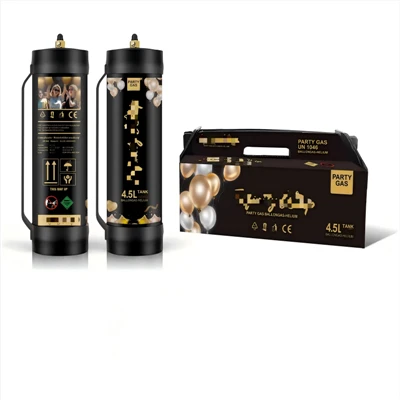
If you’re an industry professional looking for a reliable oxygen supplier, we’re here to help. Whether you need oxygen for food production, pharmaceuticals, textiles, or any other application, we’ve got the expertise and the high – quality oxygen to meet your needs. Don’t hesitate to reach out to us for a chat about your oxygen requirements. We’re excited to work with you to achieve the best results for your products.
Cream Charger References
- "The Chemistry of Color Changes in Food" – Journal of Food Science
- "Oxygen and its Role in Biological Pigment Transitions" – Biology Today
- "Industrial Applications of Oxygen and Color Control" – Industrial Chemistry Review
Fortune Gas Co., Ltd.
With abundant experience, we are one of the most professional oxygen manufacturers and suppliers in China. We warmly welcome you to buy bulk high quality oxygen from our factory. If you have any enquiry about customized service, please feel free to email us.
Address: Building 3, No. 2 Chunchao Road, Yichun Economic and Technological Development Zone, Jiangxi Province
E-mail: Fortunegas_angela@163.com
WebSite: https://www.fortunegascn.com/
